The Nose Knows the Lot: Reading Old Smells at a UK Auction Preview
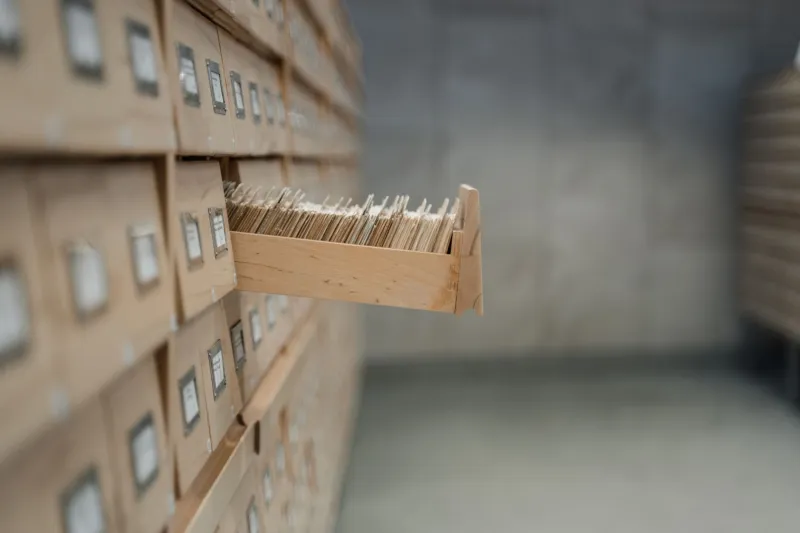
Auction previews are usually quiet, bright and slightly chilly. Then you open a blanket box and get a faceful of camphor, or lift the lid of a chest and meet the unmistakable whiff of a shed that has not seen a dehumidifier since the Beatles were a pub band. Most buyers step back. A useful minority lean in, because smell is one of the cheapest provenance tools in the room.
None of this is forensic science. A smell cannot date a piece to a decade, prove a maker or replace a condition report. What it can do is prompt better questions. It can tell you whether a drawer has spent its life in a bedroom or a damp outbuilding, whether a finish has been recently revived, and whether that faint lavender is a charming survivor or a hasty cover-up. At a UK saleroom in 2026, where even modest brown furniture can carry a surprisingly strong estimate, a nose-led pause is worth the time.
Why smell belongs in your toolkit
Old objects are slow-release libraries. Wood, wax, textile, paper, glue and metal all give off volatile compounds, and those compounds linger in enclosed spaces. A drawer that has held lavender bags since the 1930s will smell different from one that has spent thirty years holding screws in a garage. Neither smell is proof of anything, but each is a prompt: look at the runners, check the lining, inspect the base for water marks.
The trick is to use smell as one clue among several. Pair it with sight and touch. Run a torch along joints. Press a thumbnail — gently — into an inconspicuous patch of timber. Feel for lifting veneer. Smell is the opening question, not the final answer. And do be sensible: if you have allergies, asthma or a sensitive nose, do not bury your face in upholstery. A short sniff near an open drawer is enough.
Camphor and mothballs: the blanket-box signature
Camphor and naphthalene are the classic smells of textiles put away carefully. A blanket box that releases a sharp, medicinal cloud when opened has probably done its job for decades: storing wool, linen and winter coats against moths. That is often a good sign. It suggests the piece has been kept closed, used and valued rather than abandoned.
Look beyond the pong. Are the drawer bottoms clean and dry? Is the lining intact? Do the hinges sit straight? A well-kept blanket box with a camphor ghost and crisp dovetails is a far better buy than a silent, sweet-smelling chest with a rotten base. Beware the lot that smells overwhelmingly of mothballs and little else; strong chemical smells can mask mildew, and a recent dosing can make an old chest smell like a chemist's stockroom. Open it, step away, let it air, then return.
Cedar: the honest drawer
Cedar has a clean, pencil-sharp scent that many people recognise before they can name. Cedar linings were used in chests and wardrobes for good reason, and a faint dry cedar smell is usually a reassuring thing. It suggests the interior has not been sealed under damp or heavy polish.
But cedar can be misleading. A very fresh, resinous smell may mean the inside has been recently sanded or oiled to smarten it up for sale. That is not a crime, but it can hide scratches, stains or a later lining. Old cedar often smells softer, more like a distant pencil case than a timber yard. Check the construction: are the cedar boards original to the carcase, or have they been added later? Do the drawer sides show the same age as the front? A cedar chest that smells wonderful but has a damp, earthy base has probably been stored badly, whatever the lining says.
Lavender, pot-pourri and the drawer that was loved
A faded lavender smell inside a drawer is one of the nicer clues in this game. It points to domestic use: linen, handkerchiefs, gloves, maybe a bedroom that was actually heated. It suggests the piece has lived in a house rather than a barn. If the lavender is faint, the drawer runners are smooth and the lining is intact, that is a good little story.
Be sceptical of strong perfume. A heavy floral or pot-pourri smell can be a dealer's finishing touch, and it can cover smoke, damp or the unmistakable aroma of a long-dead mouse. Lift the drawer right out if you can. Smell the carcase, the back, the underside. The drawer may have been perfumed; the piece may still have a secret.
Damp, mildew and the shed years
This is the smell that should slow you down. Damp timber has a cold, earthy, sometimes mushroomy note. Mildew is sharper and mustier. If you meet it in a chest, wardrobe or table, start looking for tide marks, rust blooms on metalwork, lifting veneer and soft patches in the feet. A piece that has spent decades in a shed may still be restorable, but the smell is a warning that the damage may not be only cosmetic.
Do not assume a quick airing will fix it. Damp often travels with woodworm, failed glue and swollen joints. A musty smell in upholstery is even more of a gamble, because the filling can hold moisture long after the surface has dried. If the lot is cheap and you have a dry workshop, fine. If you are buying for a spare bedroom, budget for treatment before you bid.
Tobacco, soot and the sitting-room patina
Old tobacco and coal smoke can be surprisingly informative. A faint, ingrained smokiness often means a piece has lived in a real sitting room for a long time, not been scrubbed for auction. The surface may be original under the grime. Nicotine film is unpleasant but often cleanable; the smell may linger in joints and upholstery, though, and that is worth factoring in.
Look for burns, ash rings and smoke staining around handles and edges. A smoky smell plus untouched surfaces can be a decent sign. A smoky smell plus fresh polish can be a cover-up. Ask yourself which is more likely, then inspect the corners where a polisher would rather not work.
Beeswax, linseed and the whiff of a recent polish
A fresh beeswax or linseed smell usually means someone has been at the piece recently. That is not automatically bad, but it does mean you are seeing a version of the object that has been deliberately presented. Recent polish can disguise ring marks, scratches and small repairs. Solvent-like smells may point to French polishing or other restoration. None of this is dishonest, but it should make you look harder at the grain and joints.
Original finish often smells faint, dusty and slightly woody, not perfumed. If a mahogany table smells like a candle shop, ask what has been applied and why. A good auctioneer will not mind the question.
A field routine for preview day
Start with the lot from a step back. Then open what opens: drawers, doors, lids, leaves. Sniff near the opening, not inside it. Note the words that come to mind — camphor, cedar, lavender, damp, smoke, polish, pet. Compare the lot with another similar piece nearby. Smell the back and the underside if you can reach them. Check for water stains, rust and loose joints at the same time.
Carry a torch and a notebook. Photograph labels and linings. If a smell worries you, ask the saleroom staff whether the lot came from a house clearance, a dealer or a private vendor. They may not know, but the answer can still help. And remember that saleroom air is a cocktail: one lot's mothballs can drift into another's mahogany. Trust your nose, but verify with your eyes and hands.
What your nose cannot tell you
It cannot date a piece, identify a maker or guarantee that the woodworm is dead. It cannot tell you whether the smell will vanish after a week in a dry room or settle in for a decade. It is a prompt, not a certificate. Used well, though, it is a quiet advantage — a way of noticing the difference between a blanket box that has been cherished and a chest that has been forgotten in a shed. In a busy UK saleroom, that is often the moment before the bidding starts, and it costs nothing but a good sniff.