Six UK Salerooms for a November Pootle in 2026 — and the £50 Lots Worth a Look
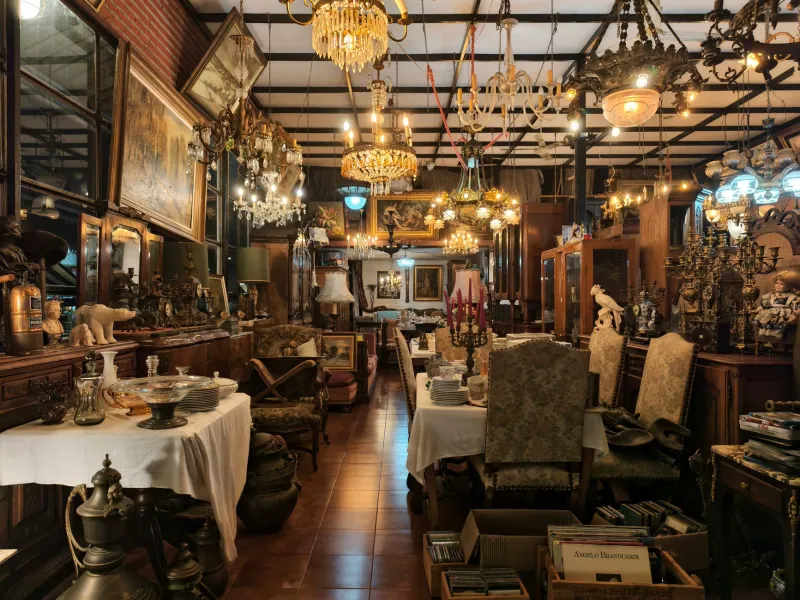
November is the month when salerooms fill up with house clearances, box lots and the kind of furniture that looks better after a cup of tea. It is also a good month for a pootle — a gentle browse with a £50 note in your pocket and no illusions about discovering a masterpiece under every dust sheet. The six rooms below are real UK auction businesses with regular sales; check their websites for exact November 2026 dates, viewing times and buyer’s premium. Every lot type mentioned is the sort of thing that can turn up for £20-£80, though auction estimates are not promises.
1. Suffolk: Lacy Scott & Knight, Bury St Edmunds
Lot to watch: Suffolk stoneware. Look for a 19th-century harvest jug, a barrel-shaped flagon or a simple cream-coloured jug with a brown slip rim. Local stoneware is sturdy, useful and still under-appreciated outside the county. A small chip on the base is not a tragedy.
Provenance red flag: a typed label reading ‘from a private Suffolk collection’ with no sale record or handwritten note. Dealers use labels, but a label is not a provenance. Ask what the collection was and when it was sold.
Buying tip: request a raking-light photograph. Stoneware chips and hairline cracks show up as white scars under a low side light. Glaze can hide a lot in a straight-on phone snap.
2. Yorkshire: Duggleby Stephenson, York
Lot to watch: a Yorkshire oak stool or a chapel chair. These are the honest workhorses of the English country room: peg joints, worn stretchers, a bit of worm. A single stool can make £30-£60; a pair will always cost more.
Provenance red flag: ‘oak’ furniture made from old floorboards and described as period. Genuine period oak has tool marks, uneven seasoning and repairs that follow the grain. A top made from a single wide board with a uniform thickness and no shrinkage gap deserves a closer look.
Buying tip: turn it upside down. Check the joints, the peg holes and the feet. Replacement feet are common; replacement legs are a negotiation point.
3. Derbyshire: Hansons, Etwall
Lot to watch: Staffordshire flatback figures or blue-and-white transferware. A pair of flatbacks with a small repair can be £40-£70. They are decorative, deeply British and easy to live with.
Provenance red flag: an attribution to a named factory with no photograph of the mark. ‘Staffordshire’ is a county, not a maker. If the cataloguer says ‘possibly Pratt’ or ‘in the manner of’, treat it as a style note, not a fact.
Buying tip: buy the damage you can see and accept. Overpainted chips and rebuilt necks are harder to spot once the piece is on a shelf. A black-light torch is your friend.
4. Somerset: Clevedon Salerooms
Lot to watch: West Country copper or a small Devon slipware dish. A copper ale measure or a preserving pan with a good patina can be £30-£50. Slipware is trickier but a simple dish with a clear glaze and honest wear is a lovely thing.
Provenance red flag: shiny brass sold as period copper. Brass and copper are different metals with different weight and colour. A piece that has been polished to a mirror finish has lost its surface history — and may have been stripped.
Buying tip: check the solder joints and the handle fixings. Old copper should have soft, uneven seams. Bright, uniform solder is a repair.
5. Glasgow: McTear’s
Lot to watch: boxed Mauchline ware or a small Scottish sampler. Mauchline ware — the tartan and transfer-printed wooden boxes, pincushions and needle cases — is still affordable in mixed lots. A single snuff box might be £20-£40; a boxed set more.
Provenance red flag: ‘Scottish interest’ with no place name. It is a catalogue phrase, not a history. If the seller claims a family connection, ask for the family name and the parish.
Buying tip: look at the transfer under a magnifier. Original Mauchline transfers sit under a varnish that crazes with age. A crisp, bright transfer on a dark, uniform surface may be a later reproduction.
6. Cardiff: Rogers Jones
Lot to watch: a Welsh love spoon or a small oak coffer. Love spoons range from tourist trinkets to genuine 19th-century carvings. A simple 20th-century spoon can be £20; an earlier one with good chip-carving will be more.
Provenance red flag: a love spoon aged with boot polish and described as ‘19th century’. Genuine wear sits in the recesses and follows the grain. Boot polish sits on top and smells like a shoe shop.
Buying tip: look for knife marks and a worn bowl. A spoon carved by hand will have slight asymmetry. A machine-carved spoon is neat, even and a bit dead.
The £50 reality check
A £50 hammer price is not a £50 bill. Add the buyer’s premium — often 20-25 per cent plus VAT — and any online bidding fee. Add petrol, a van, or a courier. Add the cost of a repair you did not budget for. A £50 stool can become an £80 stool before it reaches your kitchen.
That is fine if you love the stool. It is not fine if you are buying to invest. The joy of a November pootle is the looking, the handling and the occasional surprise. Go early, watch the room, ask questions, and set a limit before you bid. If you come home with one good £30 jug and a story about the box lot you nearly bought, the day has done its job.